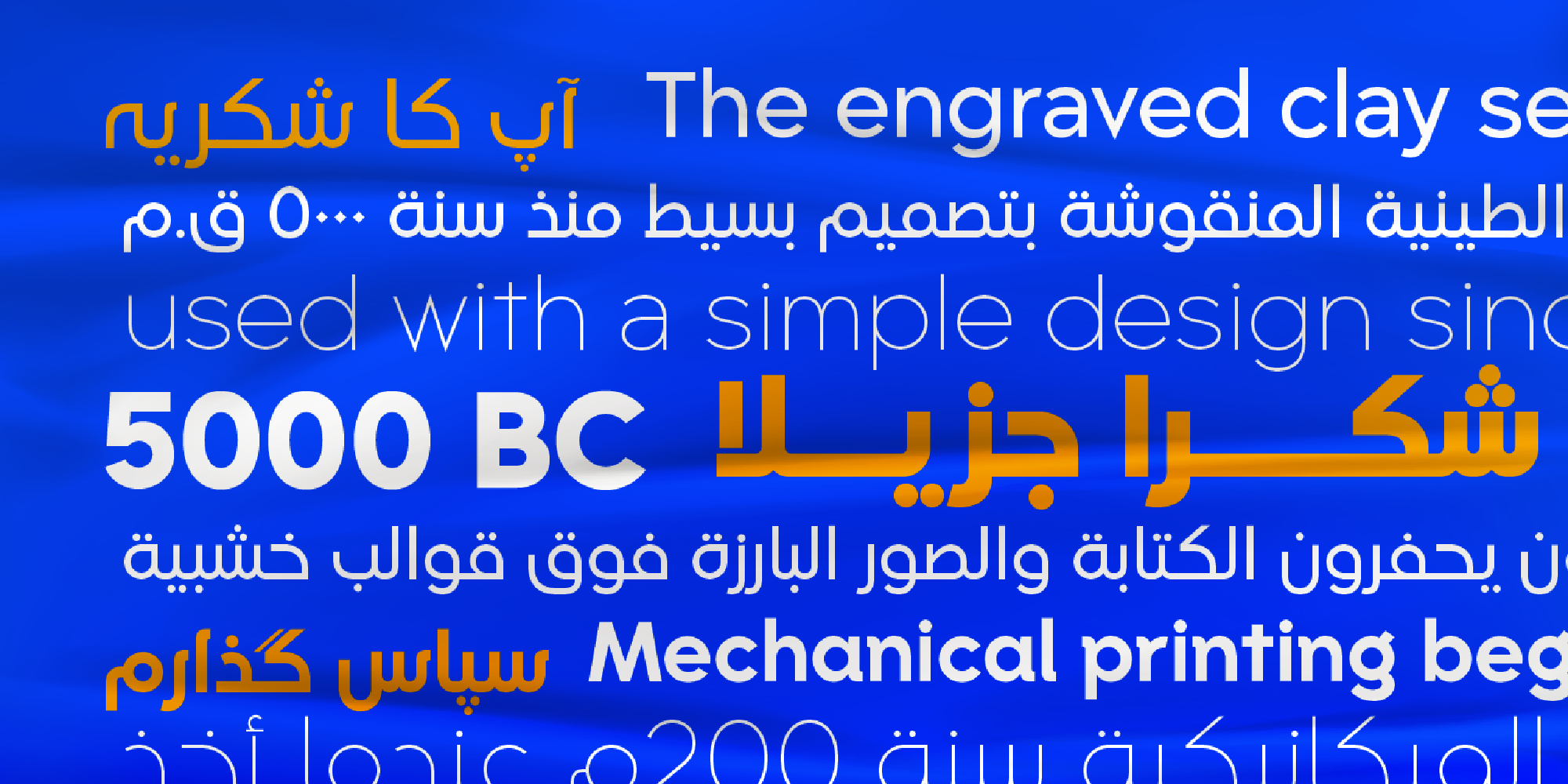
Branding agencies carry significant responsibility when advising clients on typography decisions, particularly for companies entering Arabic speaking markets. Understanding how to properly evaluate any Arabic typeface before recommendation protects both agency reputation and client outcomes over the long term.
Why Agencies Cannot Treat This Lightly
Clients trust agencies to guide decisions they may not fully understand themselves, especially regarding scripts outside their own cultural or linguistic experience. Recommending typography without proper evaluation risks delivering identities that feel inauthentic or poorly considered once deployed across actual Arabic speaking audiences and markets.
This responsibility extends beyond simple aesthetic preference. Agencies must understand structural authenticity, cultural context, and practical commercial licensing before confidently presenting typography options to clients making significant long term brand investments based on professional recommendations.
Building Internal Evaluation Standards
Agencies serious about serving Arabic speaking market clients well should develop internal standards for evaluating typography options before client presentations. This might include maintaining relationships with foundries known for genuine bilingual expertise, alongside internal checklists covering legibility, cultural authenticity, and licensing clarity.
NamelaType's retail catalogue offers agencies a reliable resource for this evaluation process, spanning multiple styles suited to different client personalities and market positioning needs. Having trusted foundry relationships simplifies the recommendation process considerably compared to searching unfamiliar sources under project deadline pressure.
Presenting Options To Clients Effectively
When presenting typography recommendations, agencies should explain reasoning clearly rather than simply showing visual options without context. Clients benefit from understanding why certain Arabic typography choices suit their specific brand personality, market positioning, and practical application requirements across different touchpoints.
Effective presentations typically include:
- Side by side comparisons showing options within realistic brand contexts.
- Explanation of how each option reflects different tonal qualities.
- Clear licensing information relevant to intended commercial applications.
- Recommendations distinguishing retail options from potential custom development paths.
Navigating Client Pushback
Occasionally clients push back against recommended typography, sometimes preferring generic options they recognize from previous experience. Agencies should address this diplomatically, explaining how thoughtfully selected typography differentiates brands meaningfully compared to defaulting toward overused or poorly suited alternatives lacking genuine cultural consideration.
Providing concrete examples of how proper typography choices have strengthened comparable brands elsewhere often helps clients understand the practical value behind seemingly subjective design recommendations, moving conversations from personal preference toward strategic brand differentiation reasoning instead.
When Custom Development Makes Sense
For clients with substantial budgets and long term market ambitions, agencies should consider recommending custom typeface development rather than retail options alone. This conversation typically arises when clients need complete visual exclusivity, or when retail options genuinely cannot achieve specific brand personality requirements the client has articulated clearly.
Building Long Term Foundry Relationships
Agencies benefit significantly from developing ongoing relationships with foundries offering both retail collections and custom development services. This flexibility allows agencies to match solutions appropriately across different client budgets and requirements without needing to search unfamiliar sources for every new project engagement.
Conclusion
Branding agencies play a crucial role in ensuring clients receive typography that genuinely serves their market ambitions rather than superficial visual preferences alone. Developing rigorous internal evaluation standards, alongside trusted foundry relationships, positions agencies to consistently deliver recommendations that strengthen client brands across Arabic speaking markets over time.