Fishing trips offshore often start before the sun wakes up. Packing gear can feel messy. Heavy rods get tangled in the truck bed. Waterproof boxes hold shiny spoons and plastic skirts. Every angler wants a heavy cooler by afternoon. Finding the right deep sea trolling lures takes patience and some trial and error on choppy waves. Ocean water splashes hard against the boat hull. Salt dries white on polarized sunglasses. Trolling speed matters a lot for big fish. Pulling baits too fast ruins the swim action. Slow speeds attract nothing at all.
Choosing the Right Bait Speed
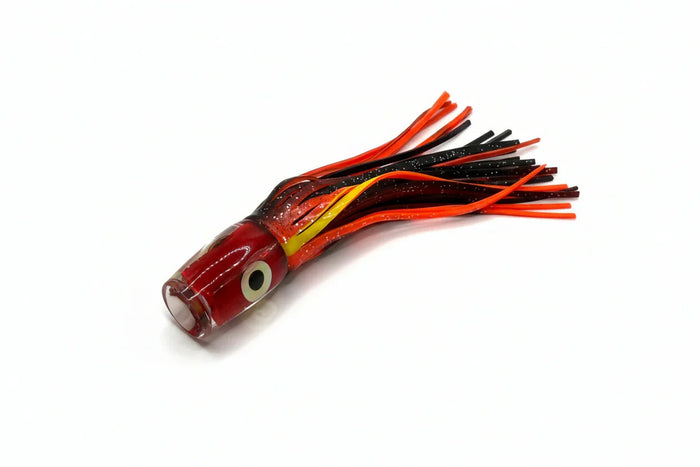
Water temperature changes how fish chase food items. Warm summer currents push pelagic species far offshore. Plastic skirts flutter wildly behind the transom wake. Boat captains watch depth finders constantly for bait schools. Offshore trolling lures require careful rigging before deployment. Heavy leaders prevent razor-sharp teeth from cutting lines. Swivels stop twists during long runs. Sometimes birds dive near floating debris patches. Big predators lurk right underneath those feeding flocks.
Understanding Ocean Current Patterns
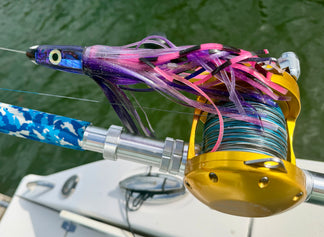
Blue water holds hidden treasures for dedicated anglers. Rip lines show where different water masses collide together. Floating weed beds offer shelter for tiny baitfish species. Mahi mahi hide beneath those yellowish sargassum clumps. Trolling skirted lures near edges brings fast strikes. Heavy gear handles sudden runs with ease. Drag settings need regular checks throughout the morning hours. Loose drags cause missed hookups on aggressive hits.
Selecting Effective Color Combinations
Bright pink skirts stand out in murky green water. Dark silhouettes work best under overcast gray skies. Silver flash mimics fleeing sardines near the surface foam. Tuna love smaller profiles that dive slightly deeper. Marlin prefers massive teasers throwing huge surface splashes. Every tackle bag contains weird experimental color choices. Some days weird colors catch the biggest fish onboard. Anglers swap patterns constantly until something triggers a bite.
Managing Heavy Tackle Safely
Gaffs must stay sharp and ready near the gunwale. Fighting chairs offer back support during lengthy battles. Braided line cuts fingers if handled without gloves. Rod butts stay wedged firmly into fighting belts. Offshore waves test balance constantly on deck. Staying hydrated keeps fatigue away during long hours. Polarized lenses cut surface glare down effectively. Spotting floating logs becomes much easier with good glasses.
Reading Surface Bird Activity
Frigate birds circle high above active feeding frenzies. Terns dive sharply into boiling schools of bait. Running boats toward bird piles usually finds action. Speed needs adjusting when entering a surface strike zone. Lures bounce through white water behind twin engines. Anticipating strikes keeps minds sharp during quiet stretches. Silence falls over the boat between fast bites. Everyone watches lines disappear into deep blue depths.
Maintaining Gear After Trips
Saltwater corrodes metal reels within a single afternoon. Freshwater rinses remove crusty salt deposits completely. Light oil keeps internal gears spinning smoothly. Storing rods vertically prevents blank damage at home. Checking leader knots avoids losing trophy fish later. Worn skirts get tossed into trash bins regularly. New hooks replace rusted points before next weekend. Preparation guarantees smooth operations on future ocean journeys.
Conclusion
Successful ocean outings require dedication and solid equipment. K2fishing.com provides helpful tips for local anglers. Clean decks make movement safe during chaotic hookups. Memories stay strong long after fish are cleaned. Sunset cruises home cap off tiring days. Every trip teaches new lessons about marine environments. Respecting ocean power keeps everyone safe offshore. Tomorrow brings another chance at landing something huge.