A Growing Need for Smarter Water Management
A perfectly green landscape can sometimes hide an inefficient watering system that wastes hundreds of gallons without obvious warning. As water costs rise and environmental concerns become more important, efficient irrigation has become a practical priority for homeowners and property managers. Well-designed irrigation solutions and landscape planning can help deliver water where plants need it while reducing unnecessary runoff, evaporation, and overspray. The main focus is not simply watering less, but using water more intelligently. A properly managed system can support healthy plants, protect outdoor spaces, and contribute to more responsible long-term water consumption.
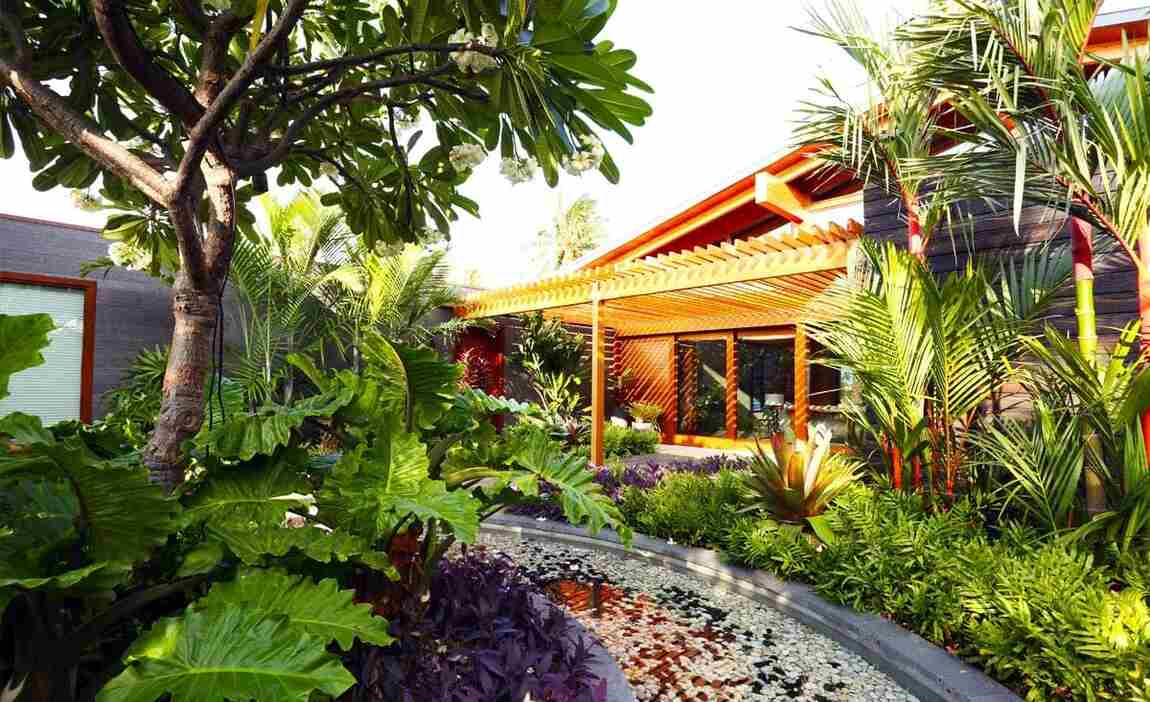
Planning a Landscape Around Water Efficiency
Successful irrigation begins with understanding the landscape rather than installing equipment without considering plant requirements. Grass, shrubs, flowers, trees, and ornamental plants can have different watering needs, so treating every area identically may result in overwatering some plants while leaving others stressed. Thoughtful irrigation solutions and landscape design can divide outdoor areas into practical watering zones based on sunlight, soil type, plant varieties, and drainage. This approach allows irrigation schedules to become more precise. Good planning also considers seasonal weather patterns, helping property owners adjust watering routines instead of following the same schedule throughout the entire year.
How Irrigation Technology Can Reduce Waste
Modern irrigation equipment provides several ways to improve efficiency without compromising plant health. Smart controllers can adjust watering schedules according to weather conditions, while soil-moisture sensors can help determine when irrigation is actually necessary. Drip systems can deliver water closer to plant roots, reducing evaporation and surface runoff. Properly adjusted sprinklers can also improve coverage and prevent water from reaching sidewalks, driveways, or buildings. Technology alone, however, cannot solve every problem. Equipment must be correctly installed, maintained, and programmed. Regular observation remains essential because changing plant conditions, weather, and soil moisture can affect watering requirements.
Recognizing Problems Before They Become Expensive
An irrigation system may appear to operate normally while quietly losing water through damaged components, clogged nozzles, broken pipes, or poorly positioned sprinkler heads. Small leaks can become significant sources of waste when they continue unnoticed over weeks or months. Professional irrigation solutions and repairs can identify these issues and restore proper system performance before unnecessary water consumption becomes a larger concern. Uneven plant growth, unusually wet patches, dry areas, pooling water, or sudden increases in water usage can all indicate potential irrigation problems. Addressing these warning signs early can protect landscapes while helping prevent avoidable repair expenses.
Maintenance Supports Consistent Irrigation Performance
Even a well-designed system requires routine attention to remain efficient. Sprinkler heads can become misaligned, filters may collect debris, valves can wear out, and underground pipes may eventually develop leaks. Irrigation solutions and repairs should therefore be viewed as part of ongoing landscape maintenance rather than something needed only after a major failure. Seasonal inspections can help identify damaged components and confirm that water is reaching intended areas. Adjusting sprinkler patterns and watering schedules can also improve efficiency as plants mature. Consistent maintenance helps preserve equipment performance and reduces the likelihood of unexpected irrigation problems.
The Role of Soil and Plant Selection
Water efficiency is influenced by more than irrigation equipment. Soil characteristics determine how quickly water drains or remains available to plant roots, while plant selection influences how much water a landscape needs. Native and climate-appropriate plants can often adapt better to local conditions than species requiring intensive watering. Improving soil structure may also support better moisture retention and root development. Mulching around appropriate planting areas can reduce evaporation and moderate soil temperature. When plant choices, soil conditions, and watering practices work together, landscapes can remain attractive while placing less pressure on available water resources and irrigation infrastructure.
Creating a Practical Long-Term Watering Strategy
A successful watering strategy should be flexible enough to respond to changing environmental conditions. During periods of rainfall, irrigation may need to be reduced or temporarily suspended, while hotter and drier conditions may require careful adjustments. Monitoring the landscape provides useful information about whether plants are receiving too much or too little water. A practical strategy also includes checking monthly water usage and investigating unusual changes. Small adjustments can produce meaningful results over time. Rather than relying exclusively on automated schedules, property owners can combine technology with regular observation to create a balanced approach that supports plant health and responsible water use.
Conclusion: Making Every Drop Count
Efficient irrigation is ultimately about matching water delivery with genuine landscape needs. Better planning, appropriate technology, regular maintenance, and timely repairs can work together to reduce waste while maintaining healthy outdoor spaces. Water efficiency does not require sacrificing appearance; it requires making informed decisions about where, when, and how water is used. For additional information and practical guidance, lowermywaterbill.com can serve as a useful resource for understanding approaches to responsible water management. With consistent attention and sensible adjustments, irrigation systems can become more efficient, predictable, and economical, creating landscapes that remain healthy while using available water more thoughtfully.