Broken pipes ruin home walls fast. Moisture builds up behind damp drywall and kitchen cabinets creating expensive structural damage across rooms. Working with a qualified mold insurance claims attorney helps families challenge denied coverage decisions effectively. Insurance policies often contain tricky exclusion clauses about water leaks. Knowing your legal options allows homeowners to fight back when insurance adjusters refuse payouts or delay necessary property repairs or underpay legitimate claims.
Understanding Property Policy Exclusion Language
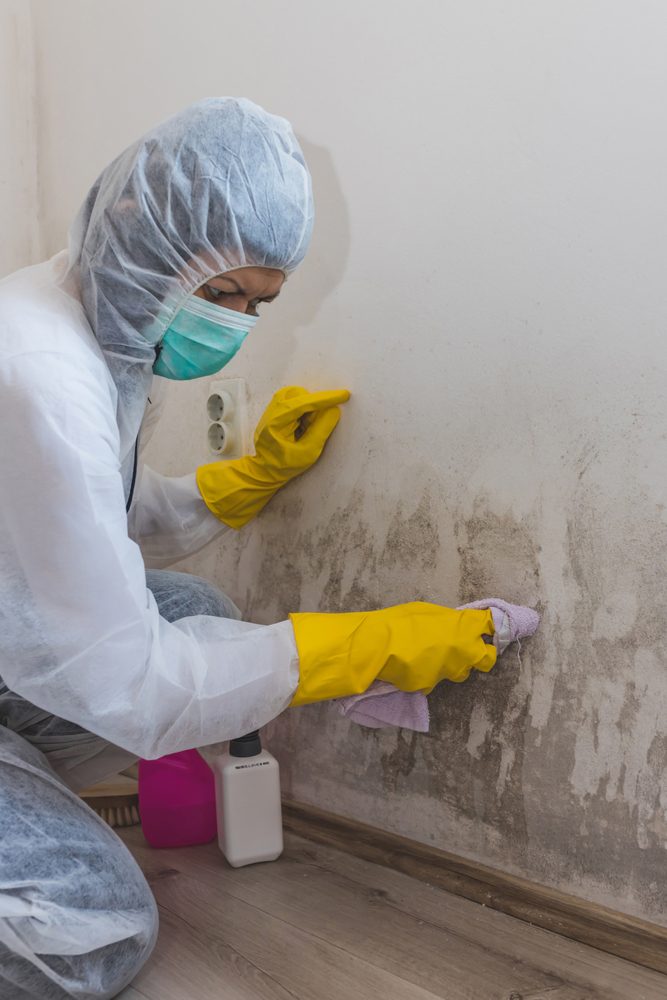
Dark patches on drywall usually point to hidden pipe leaks inside home walls. Insurance companies often try to blame structural damage on long water neglect rather than sudden pipe breaks. Taking photos of wet ceilings and keeping repair bills provides clear proof of damage. Policyholders must report water issues quickly to protect their basic policy coverage rights. Ignoring minor wall drips gives adjusters easy reasons to deny whole claims.
Documenting All Home Repair Costs
Written records form the core foundation of every insurance claim dispute. Homeowners should save every contractor estimate and cleanup receipt and email message sent to insurance adjusters. Keeping an organized folder proves exact money spent on emergency water removal services. Having a skilled mold damage attorney review these documents helps challenge improper coverage denials. Complete financial files prevent insurance representatives from minimizing total cleanup bills during final settlement talks.

Obtaining Independent Scientific Damage Reports
Proving true property damage takes official lab reports from certified indoor air inspectors. Independent experts sample air inside living spaces to measure spore counts and spot structural issues behind walls. These scientific tests show the true extent of water damage across your property. Handing independent inspection results to insurance carriers forces claims adjusters to evaluate structural losses accurately instead of relying on brief incomplete company checks.
Filing Bad Faith Insurance Disputes
Insurance providers owe policyholders a clear duty of fair dealing under state business laws. Delaying claim decisions without valid reasons or offering tiny settlements violates basic insurance regulations. Victims can submit formal regulatory complaints straight to state insurance commissioners to force quicker company responses. Taking formal legal steps holds stubborn insurance carriers accountable for bad faith practices and compels full payment for covered household repairs.
Recovering Complete Household Financial Losses
Severe water damage creates heavy financial strains for affected family members. Formal legal action aims to recover full repair costs and temporary housing expenses and lost personal items. Courts may also award extra monetary damages when insurance adjusters handle claims unfairly. Pursuing complete financial recovery ensures families can rebuild damaged living spaces properly without taking on heavy personal debt caused by unpaid insurance coverage promises.
Conclusion
State insurance rules grant homeowners strong legal protections against wrongful claim denials. When insurance providers refuse to pay for valid water damage legal action forces carriers to honor policy promises. Saving cleanup receipts and getting independent property reports holds negligent insurers fully responsible for unpaid losses. Taking swift action protects your biggest financial investment. Read more about insurance rights and property rules at caltenantlaw.com.